Ctrl/
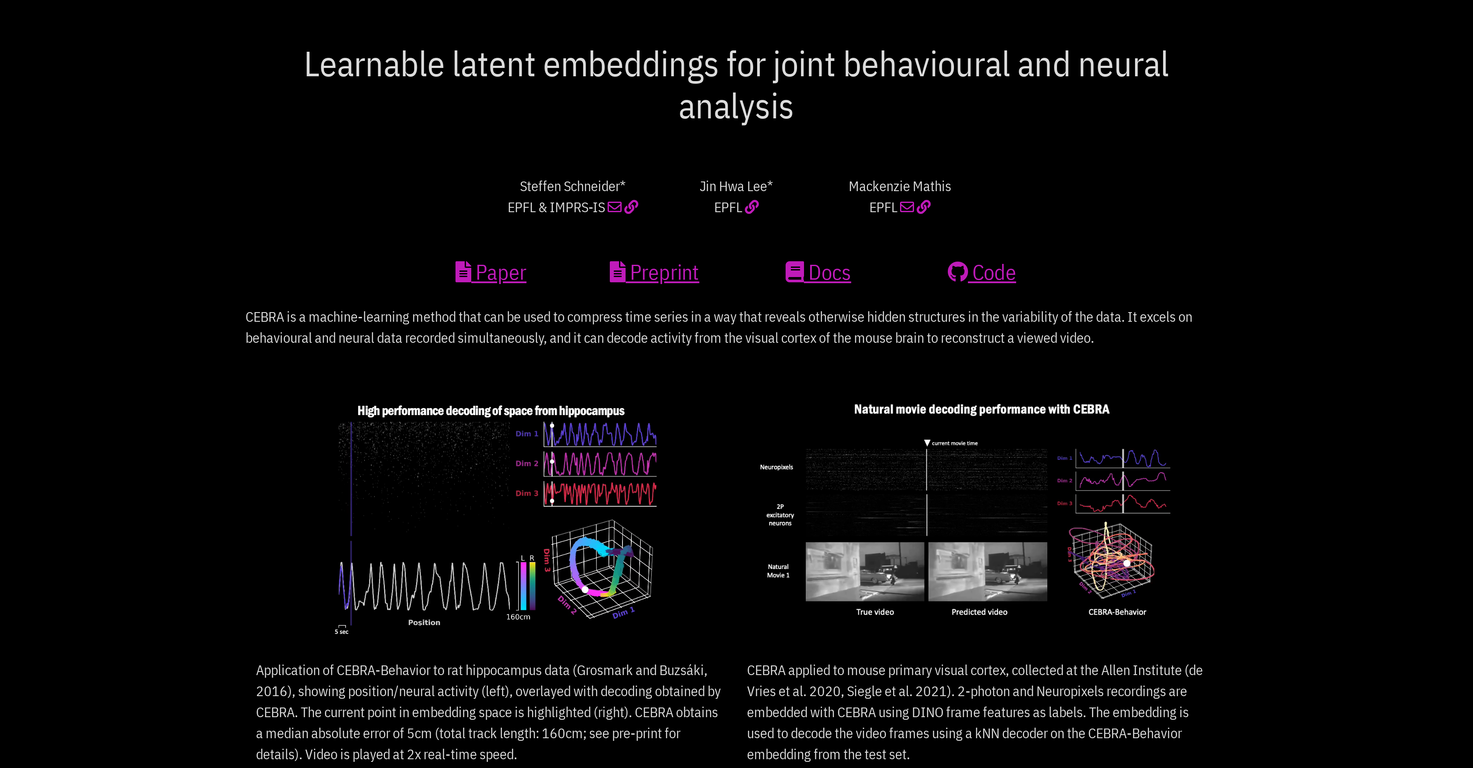
CEBRA, which stands for Learnable Latent Embeddings for Joint Behavioural and Neural Analysis, represents a new machine-learning approach designed to link behavioral actions with neural activity – a key objective in neuroscience.
This tool was created to address the growing interest in modeling neural patterns during adaptive behaviors, especially given our increasing capacity to capture extensive neural and behavioral data.
What sets this method apart is its ability to use both types of data in either a hypothesis-driven or discovery-driven way, yielding robust and reliable latent spaces that uncover the fundamental links to behavior.
It is suitable for both single and multi-session datasets for validating hypotheses, or it can be used without labels. CEBRA excels at processing calcium and electrophysiology data from varied tasks, be they sensory or motor, and across simple or complex behaviors in different species.
Specifically, CEBRA is effective for space mapping, identifying intricate kinematic traits, and quickly and accurately interpreting natural movies from the visual cortex, thereby enhancing our grasp of neural activity and behavior.
It also performs well in translating activity from the mouse visual cortex to reconstruct a viewed video, demonstrating its value in neuroscience and behavioral research.
Employs non-linear methods
Produces effective latent spaces
Connects neural activity to behavioural actions
Limited in adapting to different datasets
Needs simultaneous data on neural and behavioural activity
Does not support real-time data
Released 3 years ago
Contact for pricing
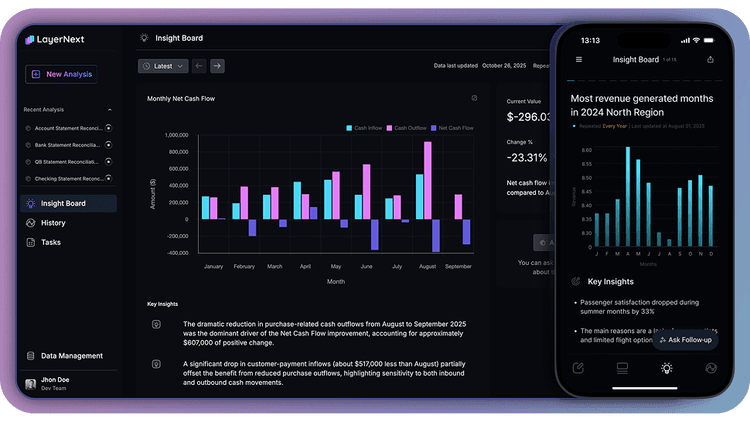
Turning Business Objectives into Actionable Financial Outcomes with an AI CFO Platform
Released 3 years ago
Free + from 29

AI assesses your video's viral potential before publication.
Released 1 month ago
Free + from $8.33/month

Released 1 year ago
From $9/month

Released 1 year ago
Free + from $4.99/month
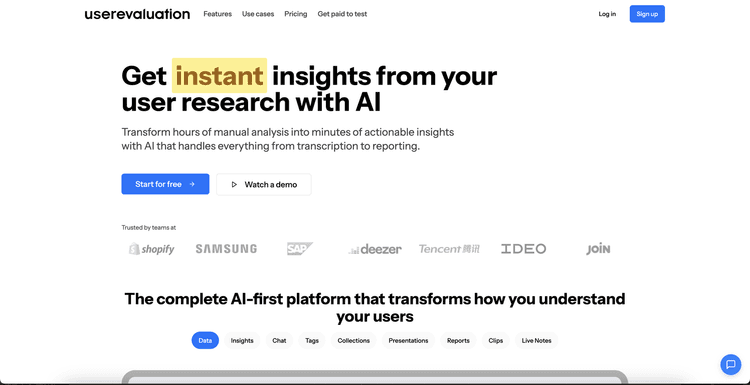
Released 3 years ago
Free + from free tier available
Released 2 years ago
Contact for pricing
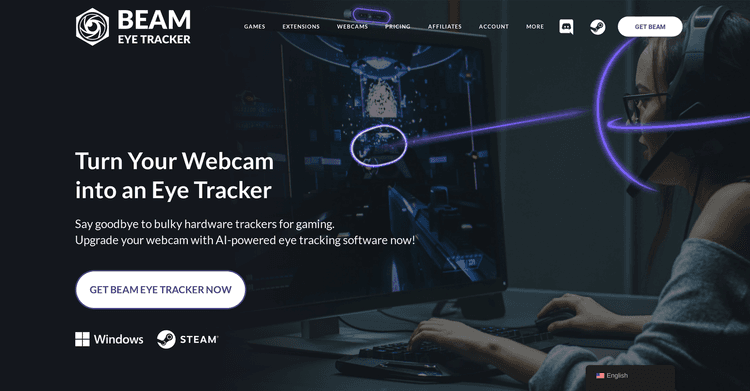
Released 3 years ago
Free + from $4.99/month
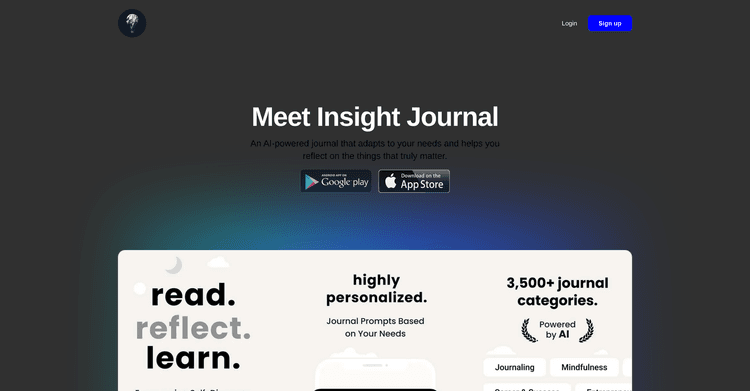
Released 3 years ago
Free + from $6.99/month
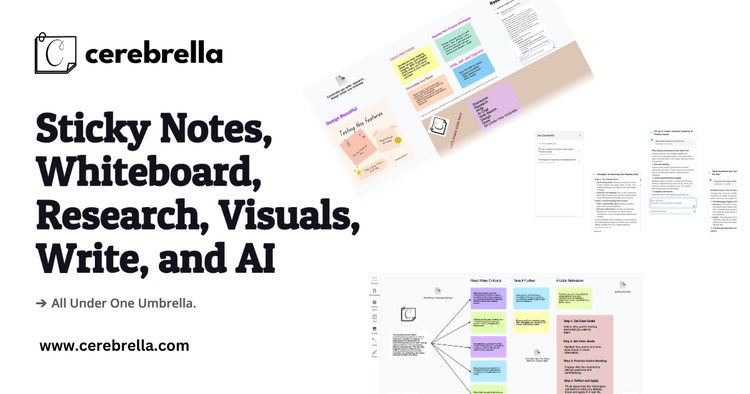
An AI-driven workspace designed for visual thinking and research activities.
Released 1 year ago
Free + from $10/month
Released 4 years ago
Free + from $417/month

Released 3 years ago
Contact for pricing