

Description
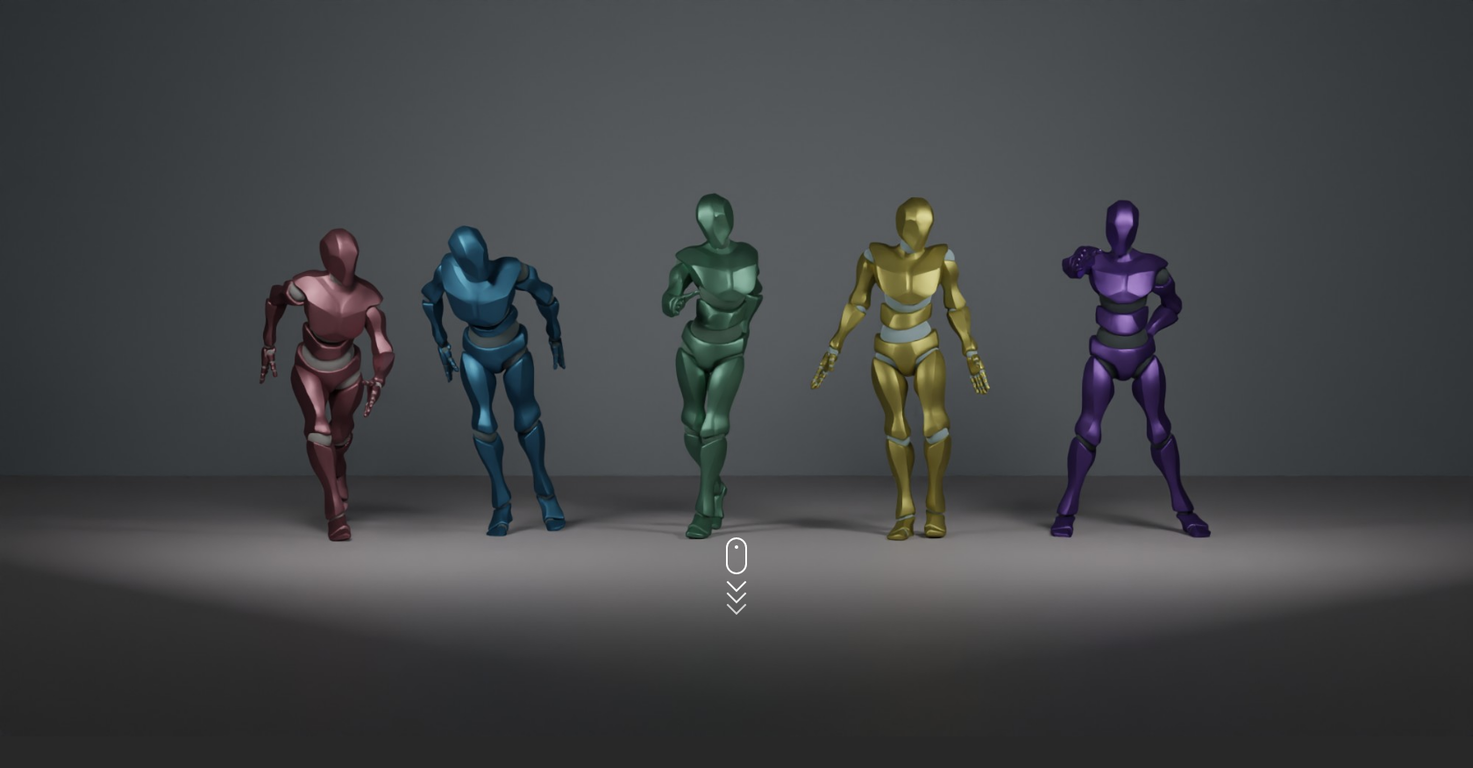
EDGE (Editable Dance Generation from Music) is an AI-driven tool that produces high-quality dance routines from music using embeddings derived from the Jukebox model.
The tool functions by encoding music inputs into embeddings using a fixed Jukebox model. It then uses a conditional diffusion model to map these music embeddings to a series of 5-second dance segments.
During the inference stage, temporal restrictions are applied to batches of multiple clips. This ensures temporal consistency before combining them into a complete video of any length.
The tool accommodates various spatial and temporal constraints, making it appropriate for diverse applications such as dances with joint-level restrictions, motion interpolation, and continuous dance sequences.
Furthermore, EDGE incorporates a novel Contact Consistency Loss feature. This enhances physical realism while preserving sliding movements and preventing unintended foot slippage, ensuring the generated dances are physically believable.
The tool is trained with a focus on physical realism and has demonstrated superior performance compared to earlier methods, as evidenced by the strong preference of human evaluators for dances generated by EDGE.
In conclusion, EDGE (Editable Dance Generation from Music) is a robust AI tool designed to create excellent dance routines from music. It holds promise for uses across the entertainment and artistic sectors.
Pricing Plans
Releases
Reviews
Pros & Cons
Pros
Produces dance routines of high quality
Leverages music embeddings
Utilizes frozen Jukebox model encoding
Cons
Requires a trained Jukebox model
Limited to clips of 5 seconds
Requires enforcing temporal consistency