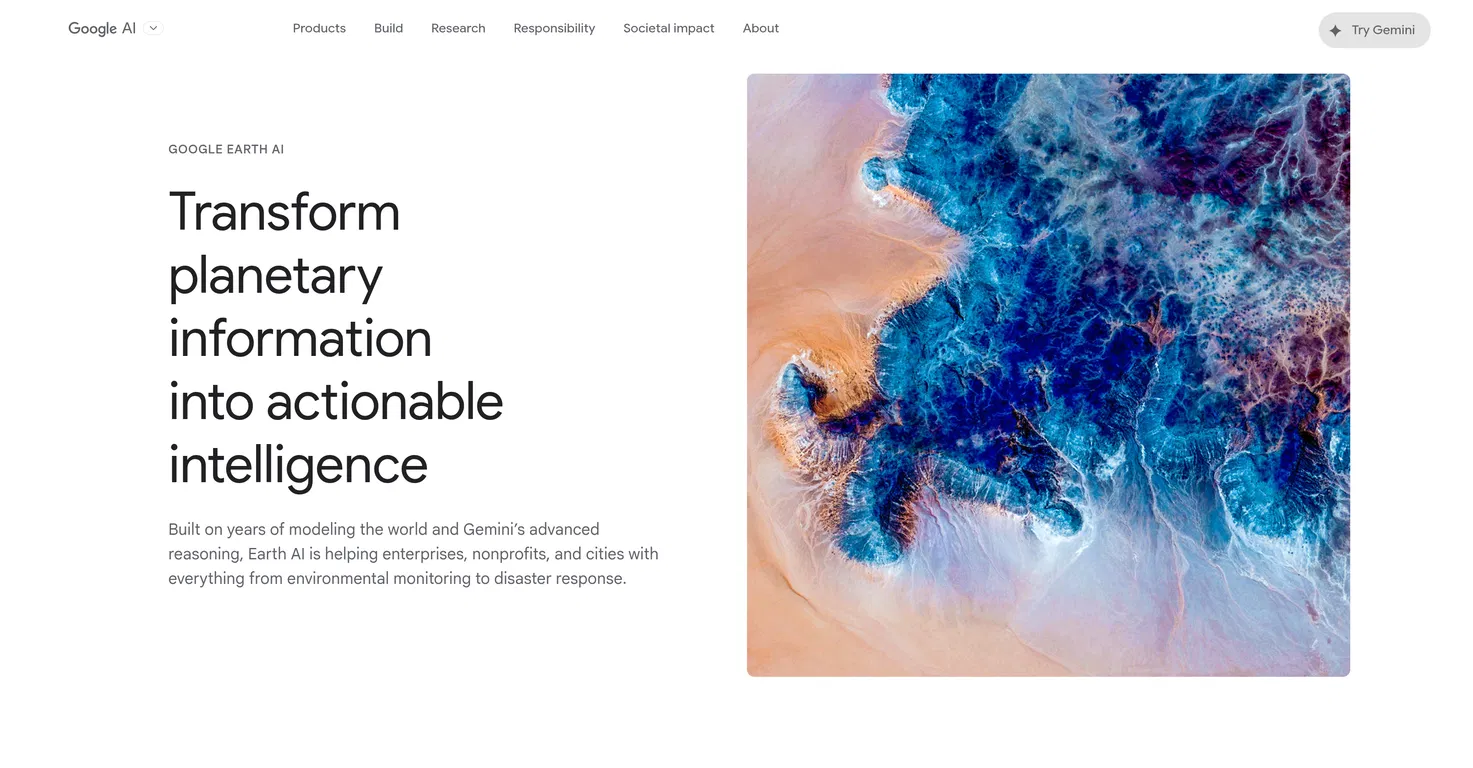
Google Earth AI represents an innovative geospatial intelligence platform, leveraging the power of Gemini, Google’s advanced AI model. Built upon decades of Earth observation and satellite imagery, it allows governments, researchers, nonprofits, and businesses to derive significant insights from worldwide data in a user-friendly manner. From environmental monitoring to disaster response, Google Earth AI transforms data into answers through natural language queries.
With Earth AI, you can answer questions like “Which global mangrove forests are similar to those in the Mekong Delta?” or “Where are storm drains located within 50 meters of schools in Brooklyn?” in just a few minutes. This analysis enhances Google Earth, Maps, and Google Cloud, aiding in planning, policy development, and real-time decision-making.
Bolstered by Google’s geospatial infrastructure—including AlphaEarth Foundations, WeatherNext, and Population Dynamics models—Earth AI offers capabilities such as AI-driven flood prediction, air quality forecasts, wildfire tracking, and cyclone path prediction. These tools inform users during climate events and empower crisis response teams.
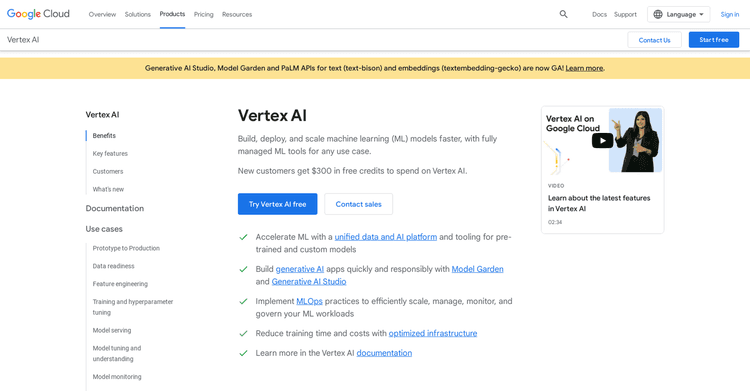
Through partnerships with organizations like Planet Labs, GiveDirectly, and McGill University, Earth AI supports applications including disaster relief, climate resilience, and urban planning. Its integration with Vertex AI allows users to conduct geospatial analytics using natural language, improving access to satellite insights.
By combining AI with satellite imagery, real-time data, and logical reasoning, Google Earth AI is changing how we understand our planet—allowing users to build a more informed, resilient, and sustainable future.