Ctrl/

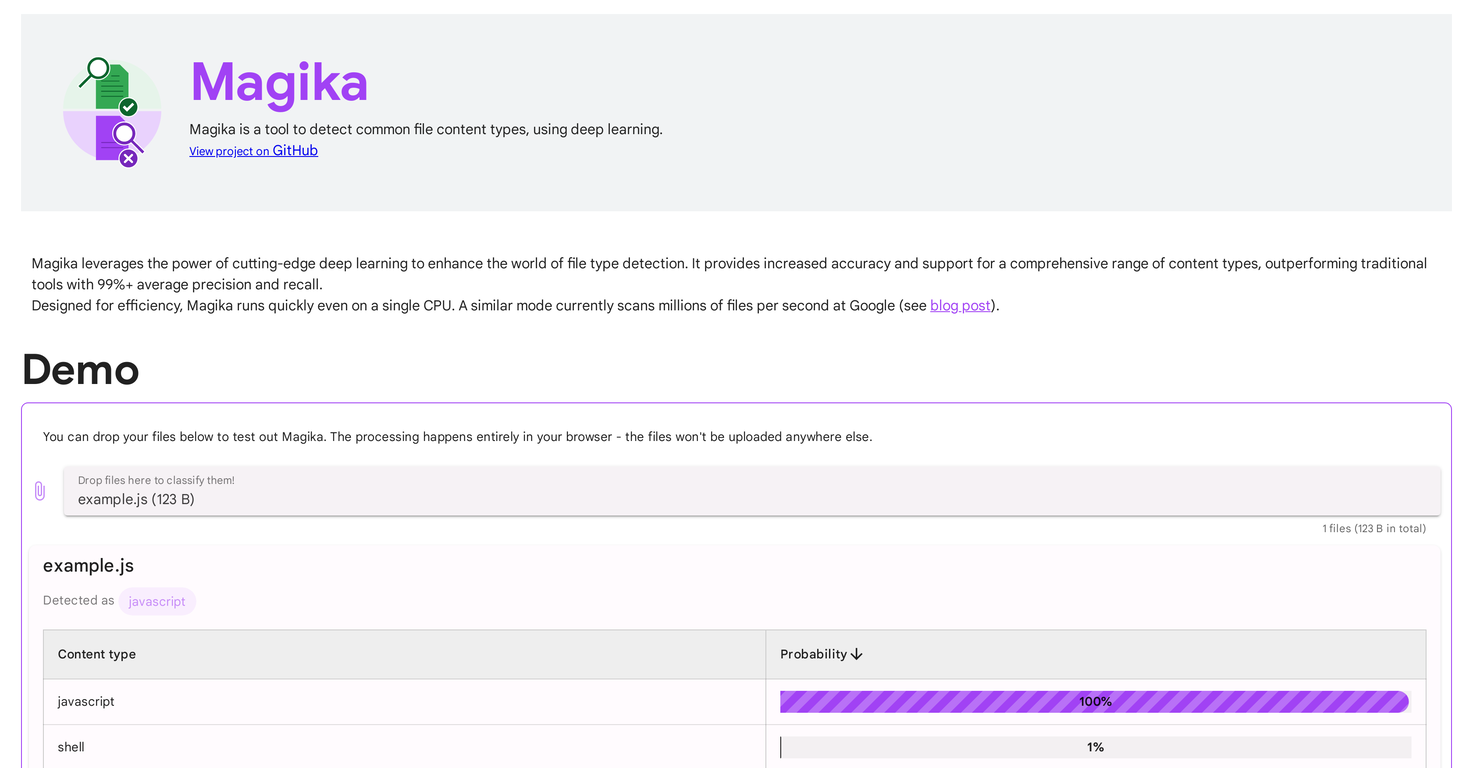
Magika is a tool that uses deep learning to identify and categorize different types of files. Developed by Google, it aims to surpass traditional methods of file type detection, offering greater accuracy across a wide variety of content.
Magika is built for speed, operating efficiently even with just one CPU. Users can explore Magika's features directly in their web browser. Uploaded files are kept secure because processing happens entirely within the browser, without sending them to outside servers.
A key aspect of Magika is that it can be installed as a Python package, enabling users to easily run it from the command line. It's also designed to work within Python or JavaScript projects, making it a flexible tool for developers.
Magika changes the game by enabling precise detection of file content type with extensive support, which includes language-specific files, executables, different kinds of documents, image and video data, and audio bitstream data, among others.
Reports show Google uses a similar version of Magika internally to scan millions of files per second, ensuring accurate content-type tagging. There are plans to publish an in-depth paper detailing Magika's training process and performance on large datasets. While powerful, Magika is designed to provide only one content type per file; therefore, files containing multiple types will not be classified into multiple categories.
However, it remains a strong tool for deep learning-based content type detection. For those wishing to cite Magika, a citation guide is available on the project's GitHub page.
Surpasses traditional tools.
Improved accuracy.
Efficient in operation.
Limitation to single content-type output.
Processing restricted to the browser.
No support for external servers.

Released 7 months ago
Free + from $49.99
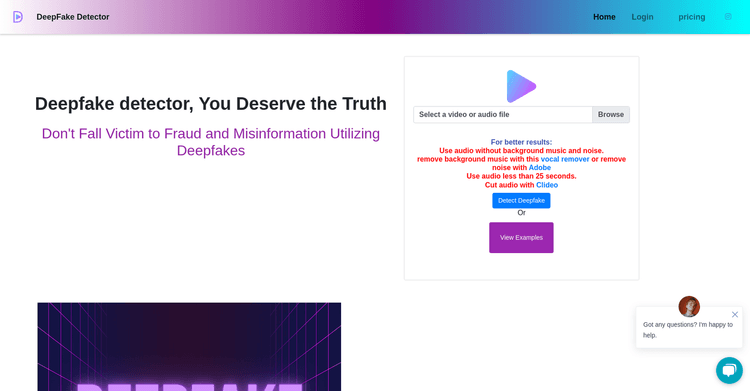
Released 3 years ago
From $16.80/month
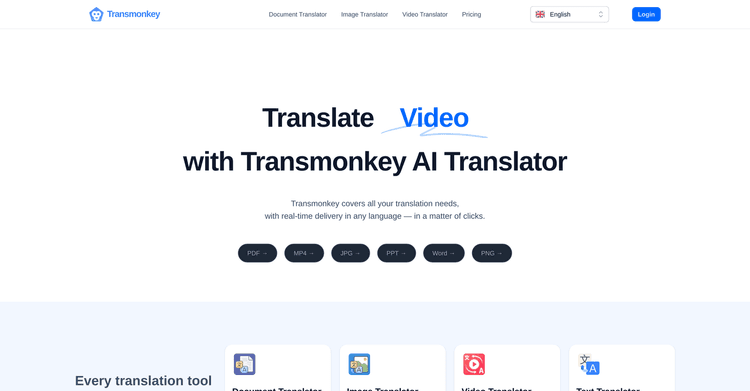
Released 1 year ago
From $0.06/unit

Utilize AI to categorize anything based on your own criteria.
Released 1 year ago
Free + from $39.90/month
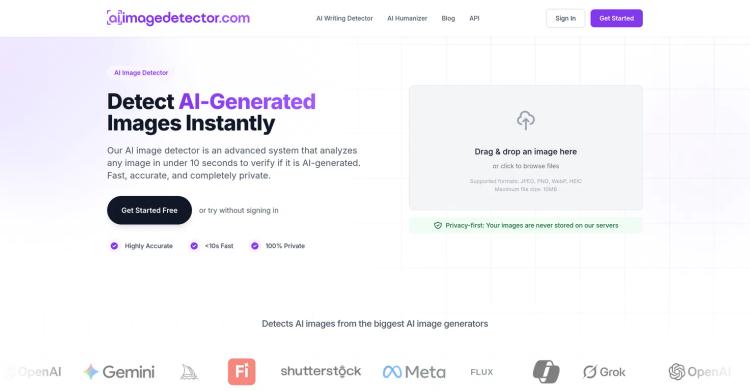
Released 8 months ago
n/a
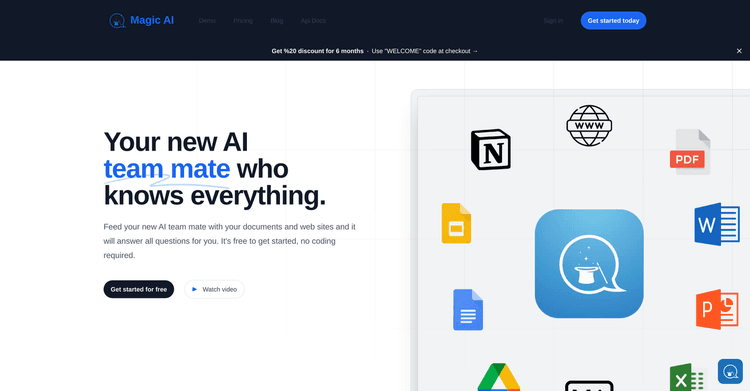
Released 3 years ago
Free + from $19/month
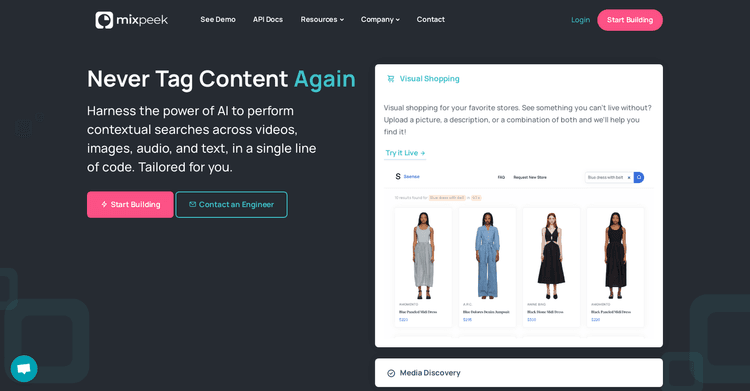

Integrate Google-like file search into your software using a simple API.
Released 3 years ago
Free + from free tier available
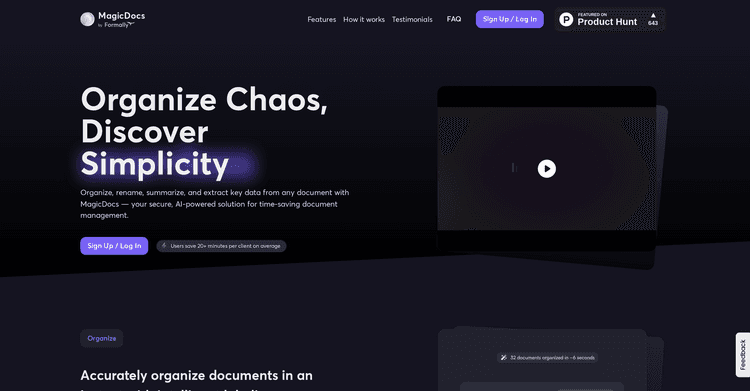
Released 2 years ago
Contact for pricing
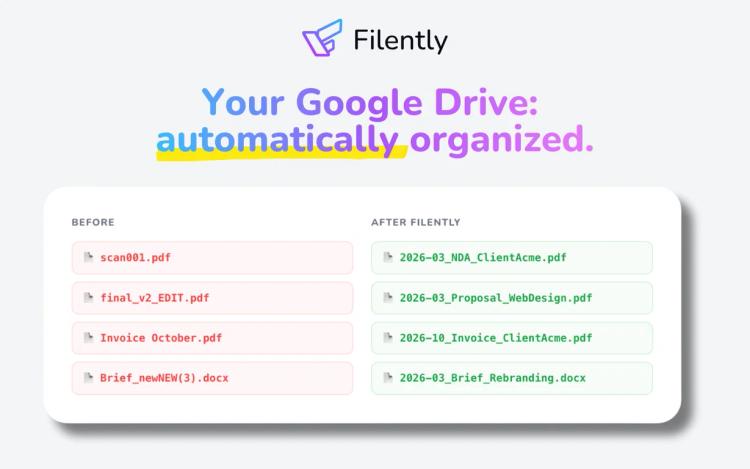

An automated filing system for your Google Drive using artificial intelligence.
Released 1 month ago
Free + from $6/month

Released 2 years ago
Free + from $5/month

Released 8 years ago
Free + from $79/month